Luthier's Workshop
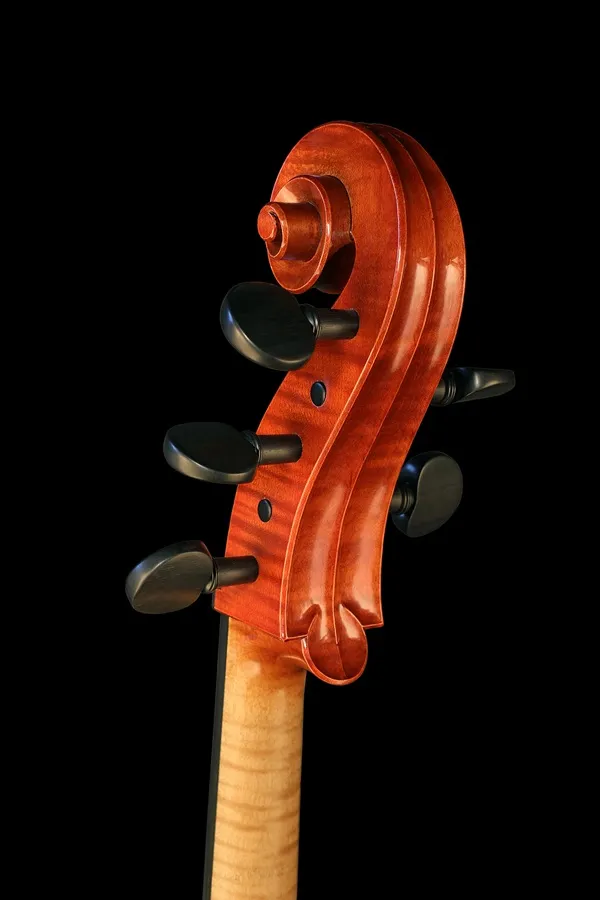
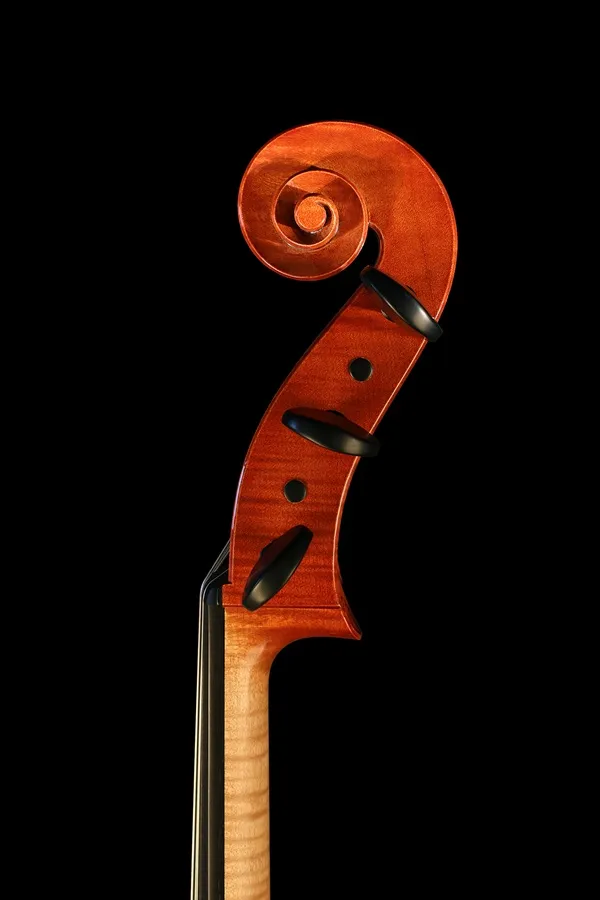
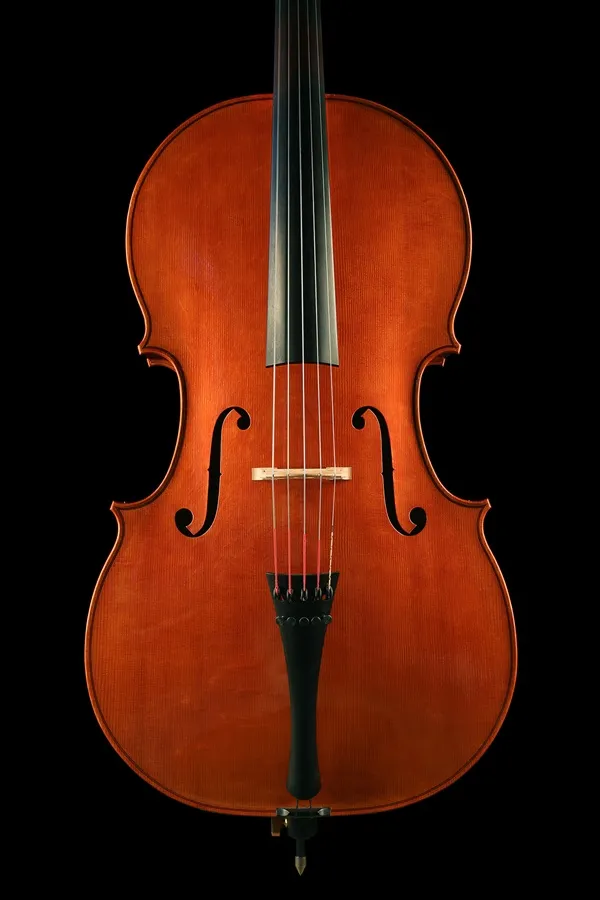
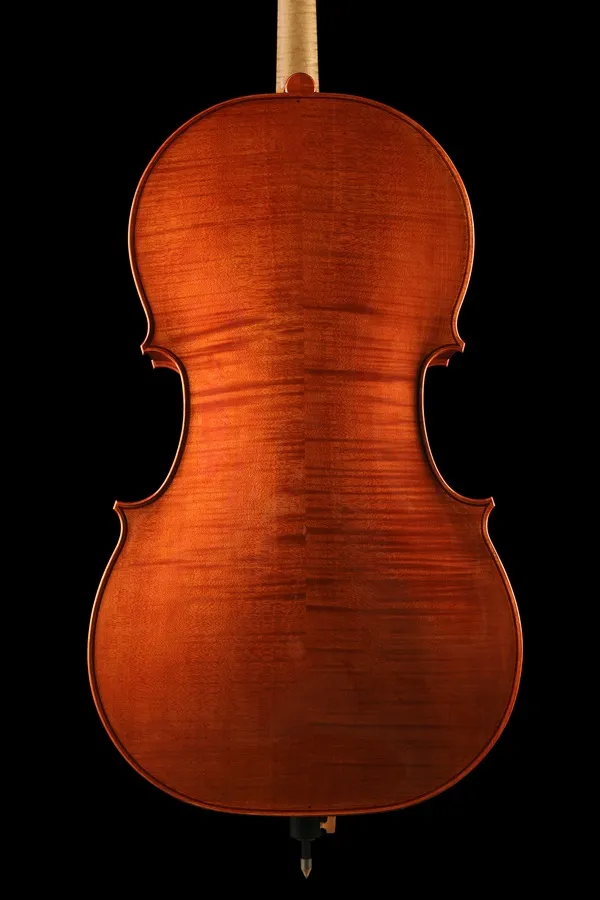
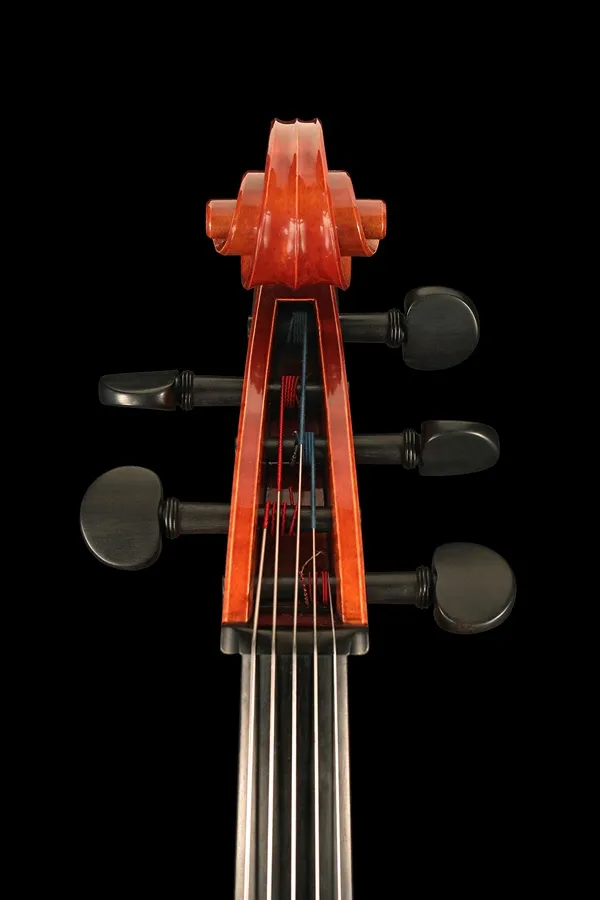
As a craftsman luthier, I welcome you to my workshop by appointment for the making, repair, maintenance, and adjustment of your violins, violas, cellos, double basses, and viols
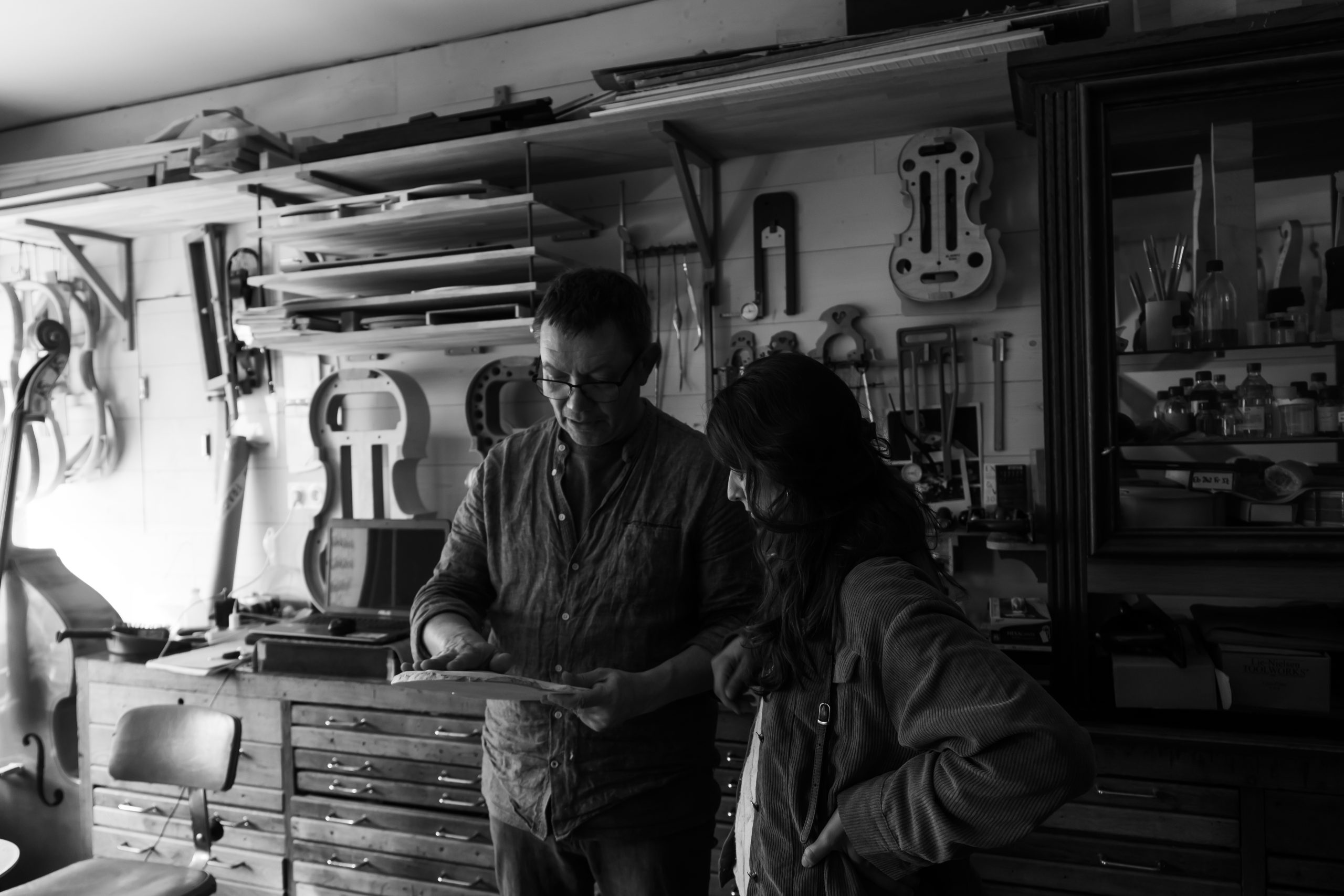
The location
My workshop is located in Bécherel, a pleasant small village situated between Rennes and Saint Malo. Founded in the 11th century and formerly fortified, Bécherel is a village of old stone buildings, officially recognized as a “Petite Cité de Caractère” (Small Town of Character). Beyond its historical heritage, the village is now widely known as the “Book Town” of Brittany.
This project, led by enthusiasts of book-related professions since the 1980s, is now well established. As such, the village hosts the Maison du Livre, a public cultural space dedicated to books and writing, along with numerous booksellers and second-hand book dealers, and workshops of artisans specializing in calligraphy, bookbinding, and illustration.
The village is also home to other artists’ workshops, including painters, ceramicists, decorators, and color makers. Together, we form a vibrant community of passionate artists, craftspeople, and creators. Among luthiers, Bécherel is also known for hosting numerous training workshops on varnish making, led by painter, art restorer, and specialist in the chemistry of historical materials, François Pérégo. Dozens of luthiers from various backgrounds have thus discovered our village
Who am I?
After graduating from a prestigious school, I began my professional career as an engineer in a French company.
At the same time, I practiced lutherie as an amateur, guided by a luthier friend. Discovering this highly manual craft, the beautiful natural materials used to make our instruments, and the tools—both simple and elegant—that bring them to life, sparked a deep passion within me.
The depth of the technical challenge—understanding how these instruments function and attempting to control their physical behavior through design and structural choices—made me realize this was a field where I could meaningfully apply all my technical skills.
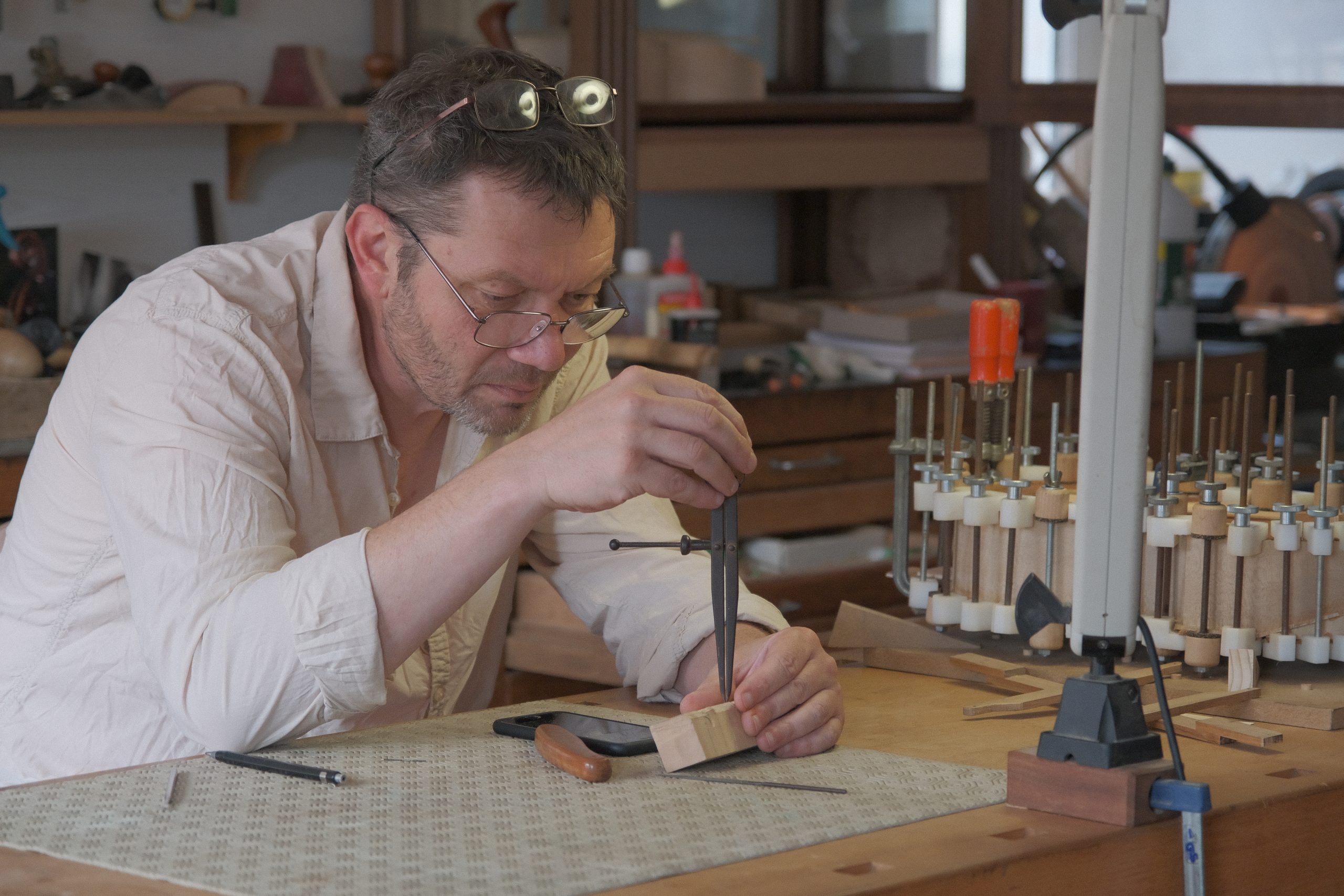
Finally, the nobility of the task—creating from simple and beautiful pieces of wood these sensitive, organic instruments meant to carry musical expression, so positive and essential in my view, for the men and women who will play them—made me feel that my place was behind a workbench, leading me to choose a life of wood, shavings, carefully gathered and prepared tools, vibrations, music, and exchanges with musicians.
Beyond its relational, manual, and technical aspects, lutherie is above all a craft rooted in knowledge and experience. Over more than four centuries, these instruments in their near-current forms have established strong traditions of craftsmanship.
Expanding my knowledge is a constant and ongoing pursuit, as research and culture remain rich and dynamic in all aspects of instrument making and restoration. In this pursuit, I am fortunate to benefit from a spirit of shared knowledge and collective progress among my peers. Publications, workshops, conferences—information circulates and is shared for the benefit of all and of contemporary lutherie.
I have built strong friendships within the profession, and these friends—excellent luthiers—have supported, guided, and helped my work evolve over many years and still do today. I am deeply grateful to them.